
8 Signs Mobility Is Changing at Home (And What You Can Do About It)
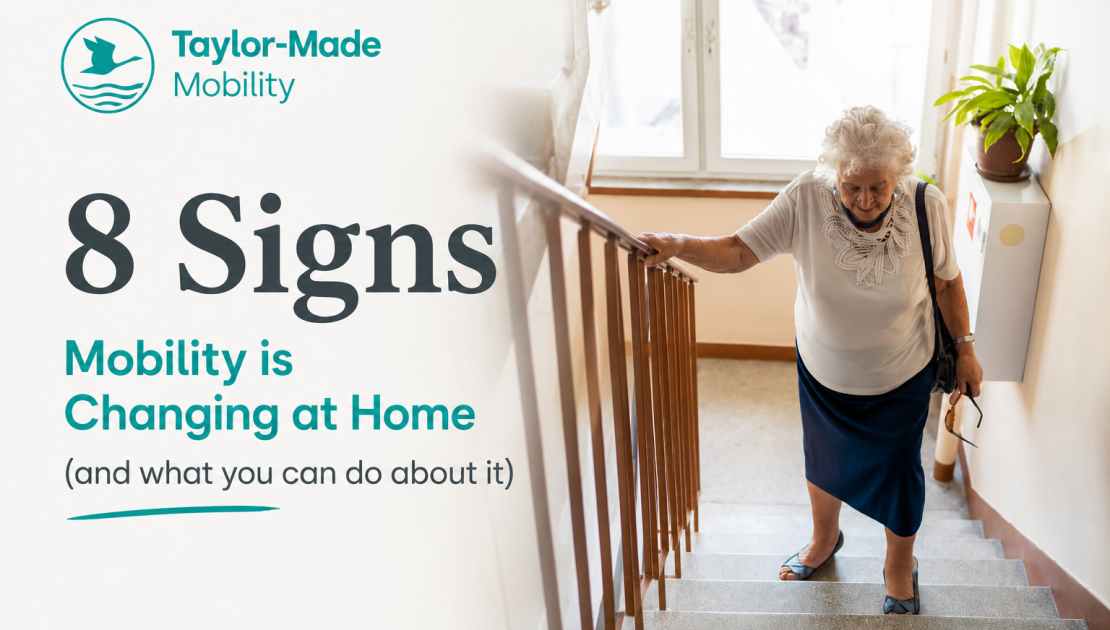
Growing older doesn’t always mean giving up your independence. Many people continue living happily in their own homes for years, but subtle changes in mobility can gradually make everyday tasks more difficult.
Often, these changes happen so slowly that they’re easy to dismiss. A missed step on the stairs. Holding onto furniture while walking. Avoiding the upstairs bathroom because it feels like too much effort. While each of these might seem insignificant on its own, together they can be signs that your home is no longer supporting your needs as well as it once did.
Recognising these signs early allows you to make small, practical changes before an accident occurs. With the right adaptations, it’s possible to stay safe, comfortable and independent without leaving the home you love.
Whether you’re noticing these changes in yourself or you’re concerned about a parent, partner or loved one, here are some of the most common signs that mobility is changing at home.
Changes in mobility to look out for:
1. The stairs become more difficult
For many people, stairs are the first part of the home that can feel challenging.
You might notice someone:
- Taking each step much more slowly
- Pulling themselves up using the banister
- Climbing one step at a time
- Avoiding going upstairs altogether
- Feeling breathless or unsteady
Many people adapt by using the stairs less, but this often means parts of the home become inaccessible and isolating and is certainly not a longer-term solution.
2. Getting in & out of the bath feels unsafe
Bathrooms are one of the most common places for slips and falls which can be dangerous, especially for those whose muscles and joints are weaker and prone to fracture.
Stepping over the side of a bath requires good balance, flexibility, and strength, all of which can decrease when mobility changes.
If someone starts hesitating before getting into the bath, needs support from another person, or has stopped bathing altogether because they’re worried about falling, it’s time to consider a safer solution.
3. Holding onto furniture to walk around
If someone regularly reaches for tables, walls or kitchen worktops for support, this may indicate their balance has changed.
While this behaviour can become second nature, furniture isn’t designed to act as a mobility aid and can easily move or tip.
It’s worth considering whether changes to the home environment could reduce these risks before a fall happens.
4. Simpler tasks become more difficult
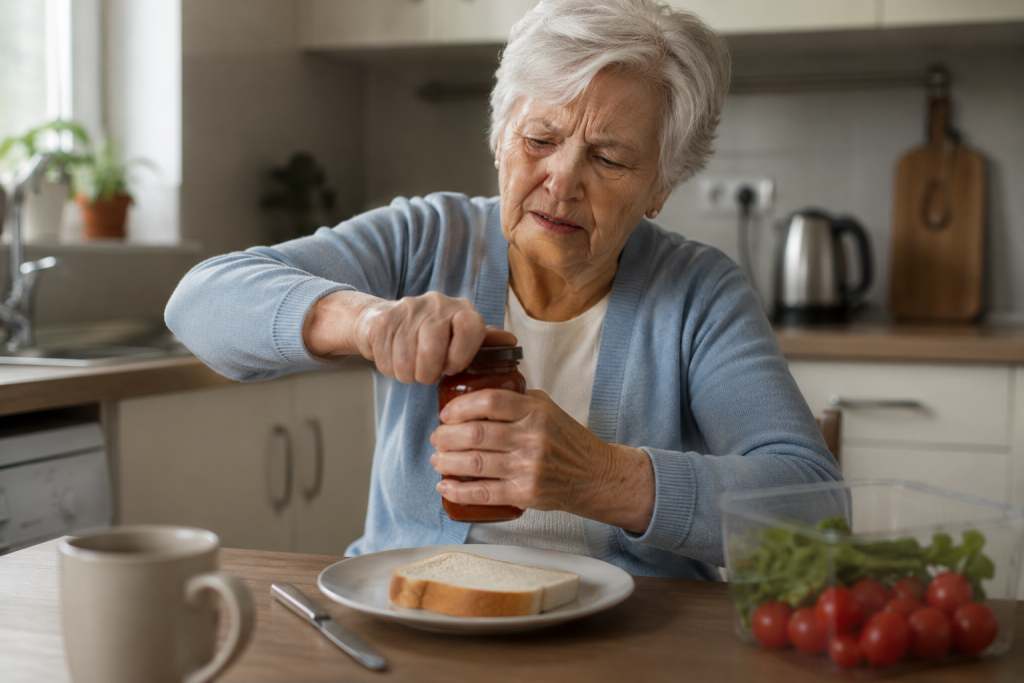
Simple routines shouldn’t become exhausting.
You may notice that activities are taking considerably longer than they used to. This includes:
- Getting dressed
- Preparing meals
- Using the bathroom
- Carrying washing upstairs
- Cleaning
This isn’t necessarily about ageing itself. Often, it’s because the home is becoming harder to move around safely, or weaker joints and muscles impacting strength, agility and flexibility.
5. Certain rooms get avoided
Sometimes the biggest clue isn’t what someone is doing—it’s what they’ve stopped doing.
Perhaps they no longer use:
- the upstairs bathroom
- the spare bedroom
- the garden
- the utility room
- certain entrances to the home
At this stage, the house is no longer a home and daily life can feel restricting and demotivating.
6. Accidents or falls occur
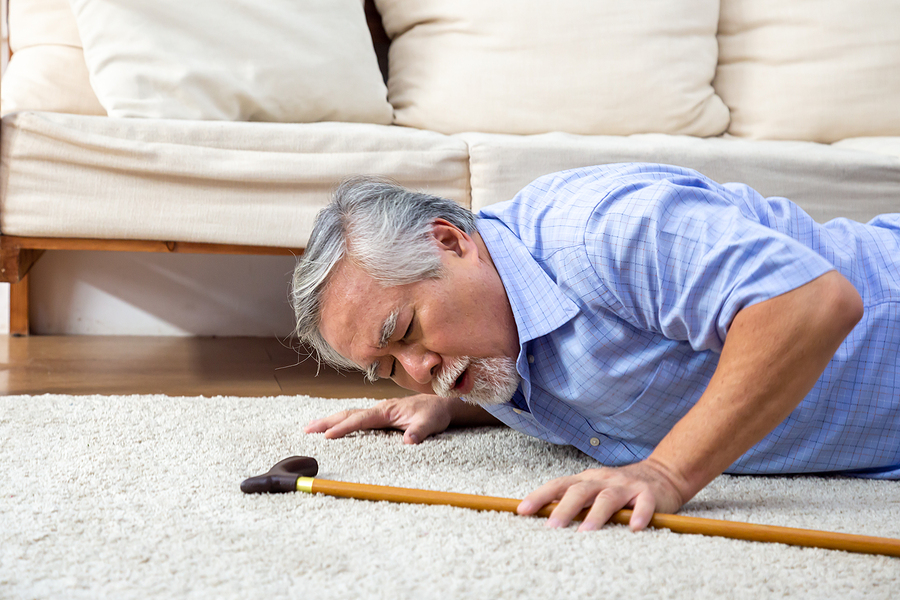
Not every fall causes an injury. Many people experience:
- stumbling on steps
- slipping in the shower
- losing balance getting out of bed
- catching their foot on thresholds
These incidents are often brushed off with “I’m fine.” However, one near miss often suggests another could happen. Rather than waiting until a serious injury occurs, it’s worth asking whether the home could better support the person’s changing mobility.
7. Daily personal tasks requires assistance
Small things that might seem simple; writing a letter, going to the toilet, unlocking doors and twisting handles, putting on shoes.
These things seem small, but when someone starts to lose strrengh, muscle mass and agility, these things can become really difficult. The impact og emotion amd mental well-being can be significant.
Beyond this, the impacts can be serious if important bills are struggling to be dealt with and get delayed, an individual becomes stuck or locked out, or slips and injures themsvles because of a shoelace they couldn’t tie.
8. Family and friends start to worry
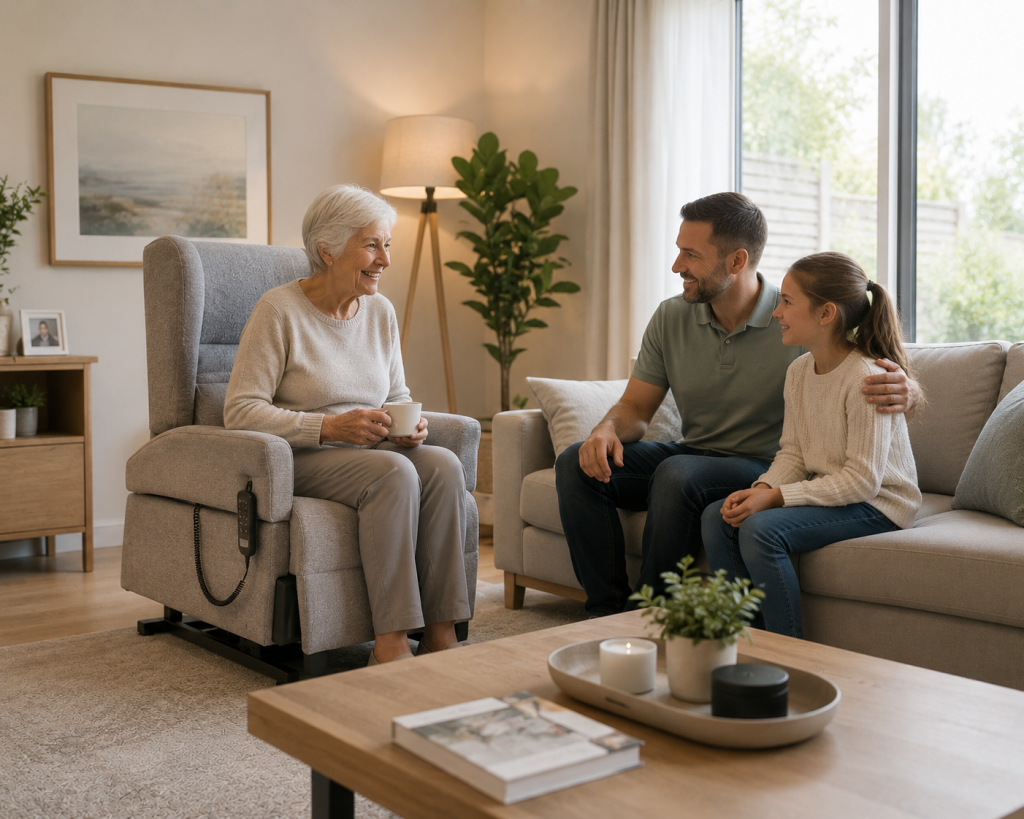
Sometimes it’s those closest to us who notice the changes first. If you’re finding yourself worrying about a loved one, you might be asking:
- “Should they still be using the bath?”
- “Are they safe on the stairs?”
- “What happens if they fall while they’re alone?”
Those concerns shouldn’t be ignored. Having an open conversation about home adaptations isn’t about taking away independence. It’s about protecting it.
Why do early home adaptations make such a difference?
Many people assume home adaptations are only needed after a serious fall or medical diagnosis.
In reality, making changes earlier often leads to better outcomes.
Early adaptations can help people:
- remain independent for longer
- reduce the risk of falls
- improve confidence around the home
- continue enjoying daily routines
- reduce the need for additional care
- stay in the home they love
Small improvements today can prevent much bigger challenges tomorrow.
How does Taylor-Made Mobility support independent living?
At Taylor-Made Mobility, we believe that accessible homes should feel like home.
Whether you’re looking for a beautifully designed walk-in shower, a bespoke wet room, a stairlift or a home lift, every solution is tailored around the individual, their home and their lifestyle.
From the initial consultation through to design and installation, our experienced team takes the time to understand what’s becoming difficult and recommend practical solutions that improve safety without compromising on style.
Because accessibility isn’t just about adapting homes.
It’s about helping people continue living life with confidence, dignity and independence.
Don’t wait until a crisis occurs!
Mobility changes rarely happen overnight. More often, they’re a series of small signs that gradually become impossible to ignore.
If you or someone you love is finding everyday tasks more difficult, now is the ideal time to explore the options available.
A thoughtful home adaptation today could make all the difference tomorrow.
Ready to make your home safer and more accessible?
Get in touch with Taylor-Made Mobility to arrange a friendly, no-obligation consultation and discover how we can help you continue living independently in the home you love.