
Hospital Discharge Support: How Home Adaptations Can Help
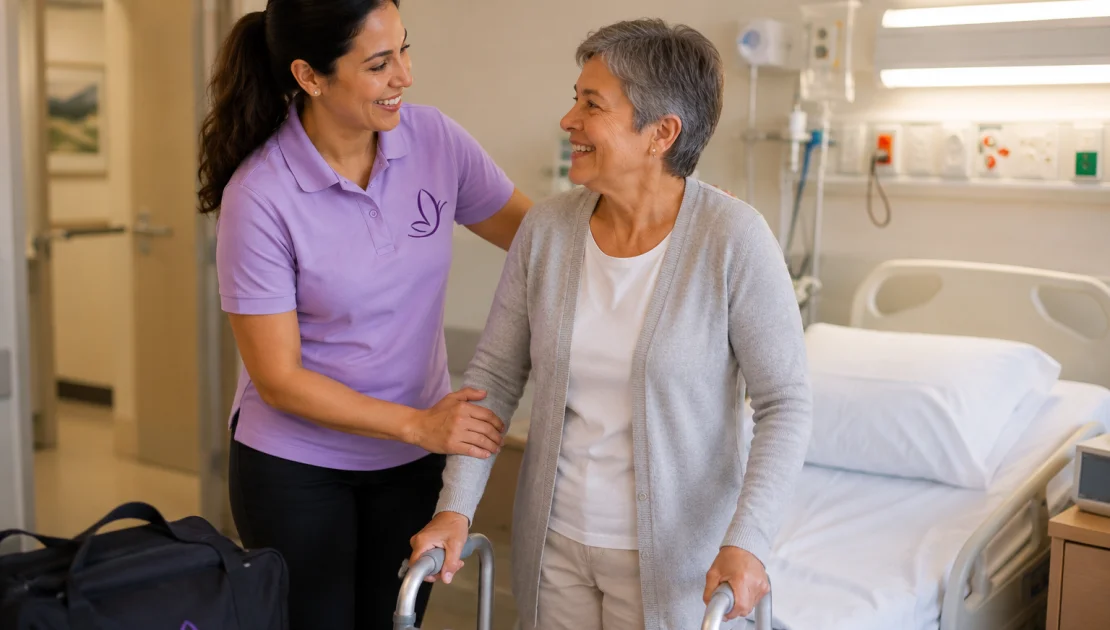
Going home after a stay in hospital is something many people look forward to. But after an operation, illness, injury or change in mobility, home can suddenly feel very different.
The stairs you used without thinking about may now be difficult. Getting into the bath might no longer feel safe. Even walking from the bedroom to the bathroom can become a challenge.
That is why hospital discharge support isn’t just about getting someone out of hospital and through their front door. It is also about making sure they can manage safely once they are home.
For some people, this may mean temporary support or rehabilitation. For others, it may mean equipment or home adaptations that make everyday activities safer and easier.
At Taylor-Made Mobility, we specialise in creating those practical changes to help people stay safe, comfortable and independent in their own homes
What happens when you are discharged from hospital?
Before someone leaves hospital, their care and support needs should be considered as part of the discharge planning process. This can include what support they might need at home, arranging equipment and considering whether adaptations are necessary.
The NHS recognises that some people may benefit from short-term intermediate care, rehabilitation or reablement after leaving hospital. This can help someone regain strength, mobility and confidence while continuing their recovery at home. Home adaptations and equipment may form part of this support.
However, an important question can sometimes get overlooked: “Is the home itself ready for the person coming back to it?”
A home that worked perfectly well before hospital may not work in quite the same way afterwards. That is where thoughtful home adaptations can make a significant difference.
Why your home matters during recovery
Imagine returning home after a hip operation. Before your operation, stepping over the side of the bath might have been completely routine. Now, while your strength and balance are recovering, it could feel unstable or even impossible.
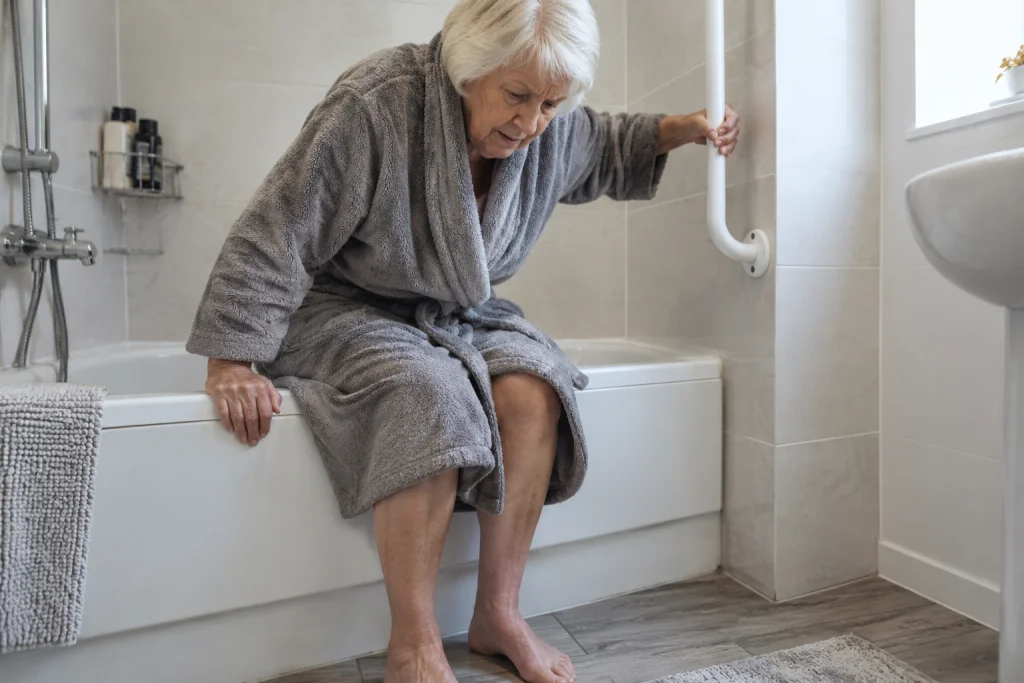
Or perhaps you have spent several weeks in hospital and are returning home with reduced mobility. You may now find the stairs tiring, or struggle to stand for long enough to shower safely.
These aren’t necessarily permanent changes, but they can make the first few weeks at home difficult, increasing the risk of falls, injury or needing additional support.
A well-designed adaptation can remove unnecessary physical barriers, allowing someone to do more for themselves while they continue to recover.
How an occupational therapist can help
If someone is struggling with everyday activities post treatment, an occupational therapist (OT) may be able to properly access their needs.
An OT looks at how a person’s health and mobility affect the things they need or want to do every day. This could include washing, dressing, getting in and out of bed, using the stairs, preparing food or moving safely around the home.
Their assessment can help identify appropriate equipment and home adaptations to support recovery and independence, and is particularly valuable because there is no universal definition of an “accessible home”. The right adaptation depends on the person, their mobility, their home and how they use it.
Sometimes a relatively simple change may be enough. In other situations, a larger adaptation, such as an accessible bathroom or stairlift, may provide a more suitable long-term solution.
The bathroom can be one of the biggest challenges
For many people returning home after hospital treatment, the bathroom deserves particular attention.
Bathrooms combine several potential challenges: wet surfaces, transfers, standing, sitting, stepping and navigating relatively confined spaces. If mobility or balance has changed, an ordinary bath or shower can quickly become difficult to use.
An accessible bathroom can be designed around the person’s actual needs rather than expecting them to work around an unsuitable layout.
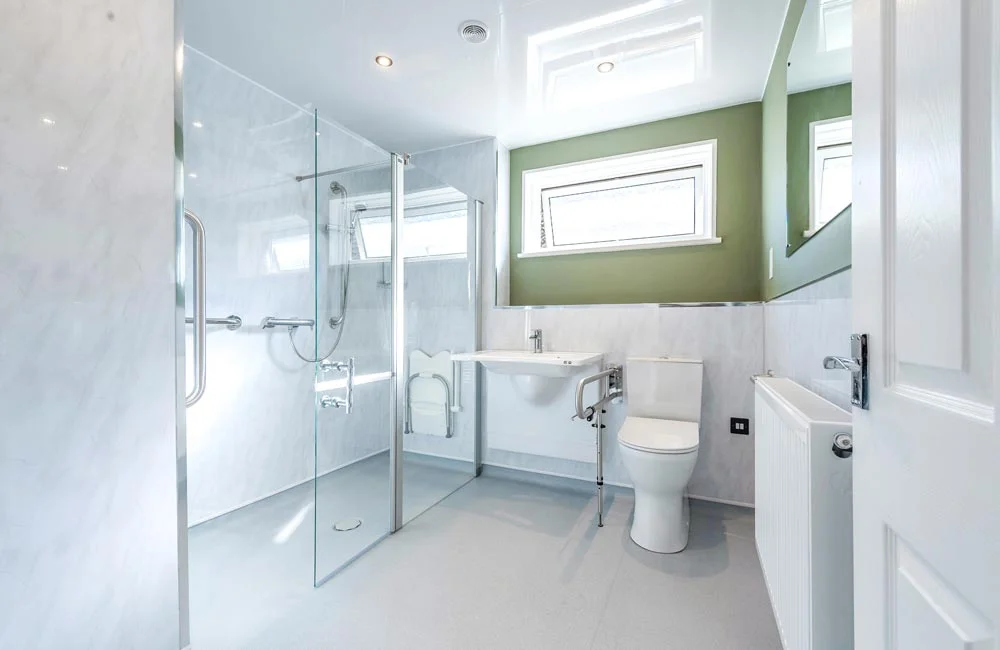
Depending on the individual, this could include:
- Low-level or level-access showers
- Walk-in showers
- Wet rooms
- Shower seating
- Grab rails and support fittings
- Comfort-height toilets
- Slip-resistant flooring
- Easier-to-use controls
- More open layouts to improve movement around the room
Government guidance recognises adaptations such as level-access showers, wet rooms, grab rails and stairlifts as examples of changes that can help disabled people live safely and independently at home.
At Taylor-Made Mobility, we design accessible bathrooms around the individual rather than a one-size-fits-all solution. We consider how you use the room, what currently feels difficult and what changes could make everyday routines easier.
What other home adaptations could help after hospital?
The bathroom isn’t the only part of the home that may need consideration. Depending on the person’s circumstances, hospital discharge support could involve looking at:
Stair access
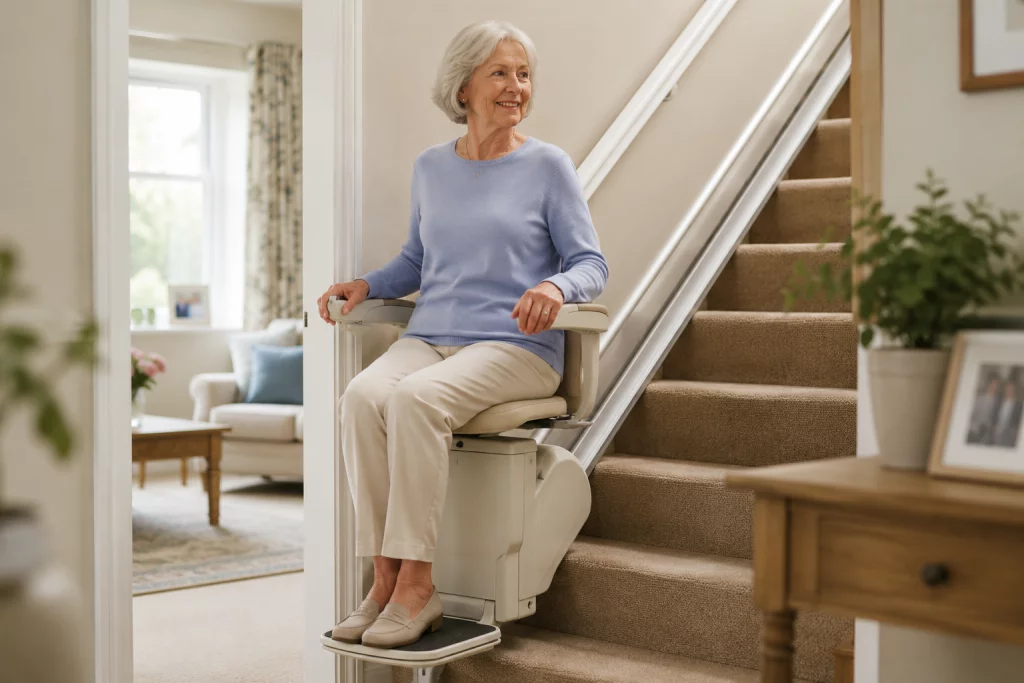
If climbing the stairs has become difficult, a stairlift could support someone to continue accessing the upper floors of their home rather than having to reorganise their life around a single floor.
Getting around the home
Doorways, narrow spaces, steps and changes in floor level can all become more challenging when mobility changes.
Small adjustments or larger accessibility improvements may help someone move around their home more safely.
Creating a more accessible bathroom
If the existing bathroom is difficult to use, converting it into a walk-in shower or wet room can make washing and personal care significantly easier.
Planning for changing needs
An adaptation doesn’t necessarily have to be designed solely around what someone needs today. Where appropriate, thoughtful design can take future mobility needs into account, creating a solution that remains useful as circumstances change.
This is one reason we believe good home adaptation should be about more than simply adding equipment to an existing room.
Can home adaptations help reduce the risk of going back into hospital?
Home adaptations aren’t a substitute for medical care, rehabilitation or appropriate support. But making the home safer and easier to navigate can remove some of the practical difficulties a person may face after discharge. This is particularly important when someone is still rebuilding their strength and confidence.
For example, being able to shower without struggling to climb into a bath may make personal care easier. Having safer access between floors may make it easier to use the whole home. Removing unnecessary obstacles can help someone move around with greater confidence.
Organisations working in hospital discharge have highlighted the role home improvement services can play in helping people return to homes that are safe and suitable, with the potential to reduce risks associated with unsafe housing.
The broader goal is simple: help people recover where they feel most comfortable, at home.
What if the home needs adapting before you can return?
If you know that your home is likely to present difficulties, don’t wait until discharge day to raise the issue. Tell the hospital team about anything that could make returning home difficult. This might include:
- Being unable to use the stairs
- Difficulty getting into or out of the bath
- Not being able to access the toilet safely
- Struggling to get in and out of bed
- Difficulty moving between rooms
- Concerns about falls
- Needing additional support to wash or dress
These concerns can help healthcare professionals understand what support may be needed as part of discharge planning. TheNHS specifically recommends discussing concerns about returning home and ensuring that necessary equipment and support are considered before discharge.
Where larger adaptations are required, planning is particularly important.A full bathroom conversion or other substantial home modification cannot always happen overnight. Starting the conversation early gives everyone a better opportunity to understand what is needed and explore the most appropriate solution.
Could you get help towards the cost of adaptations?
Depending on your circumstances, you may be eligible for financial assistance towards necessary home adaptations.
In England, the Disabled Facilities Grant (DFG) is a means-tested local authority grant that can help eligible people meet the cost of making essential changes to their homes. Examples include improving access to rooms and facilities, installing stairlifts and creating level-access showers.
An assessment is normally required to establish whether adaptations are necessary and appropriate for the person’s needs.
Why choose Taylor-Made Mobility for home adaptations?
Returning home after hospital can be an emotional time for both the person recovering and their loved ones. The last thing you need is a complicated sales process or a solution that doesn’t actually fit your home or your life.
At Taylor-Made Mobility, we take a different approach: we start with you.
Our team takes the time to understand your mobility needs, your home, and what you need to live independently. From there, we can recommend a practical solution that is tailored to your circumstances.
We don’t use commissioned salespeople, and we don’t believe in pressuring people into buying something they don’t need. Instead, we focus on providing personalised advice, quality products and professional installation.
We can help with a range of home mobility adaptations, including:
- Accessible bathrooms
- Walk-in showers
- Wet rooms
- Stairlifts
- Home lifts
- Other mobility adaptations tailored to your home
What’s more, because we manage the process from consultation through to design, installation and aftercare, you don’t have to piece together different providers yourself. We provide a 3D design preview, giving you the opportunity to see how your proposed adaptation could look before you commit.
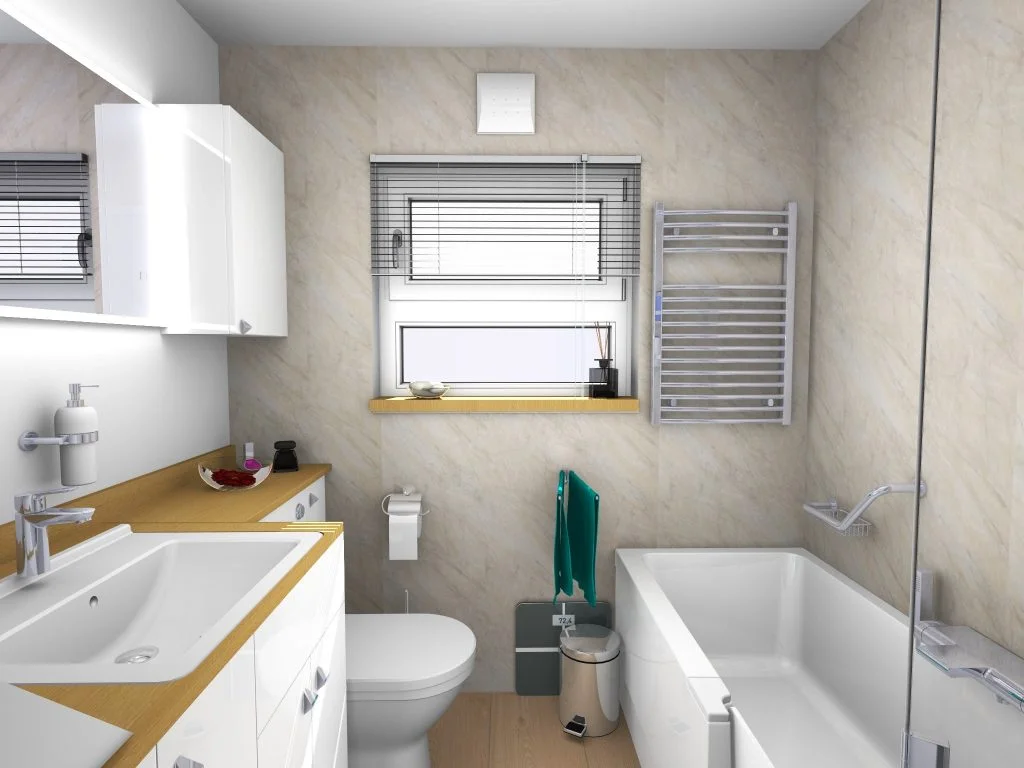
With more than 25 years’ experience in mobility adaptations and a strong local focus across Oxfordshire and surrounding areas, our aim is always the same: to help you stay safe, comfortable and independent in the home you love.
Planning for hospital discharge? Get in touch!
Going home from hospital should be something to look forward to, not something to worry about. If your mobility has changed, your home may need to change with you.
Whether that’s a more accessible bathroom, safer access between floors or a larger home adaptation, the right solution can make everyday life easier while supporting your recovery and independence.
If you’re preparing to return home after hospital treatment, or you’re helping a family member make their home safer, Taylor-Made Mobility can help you explore your options.
Get in touch with our friendly team to arrange a consultation and find out how we could make your home work better for you.