
Men’s Health Awareness Month: Why Feeling Independent at Home Matters This Movember
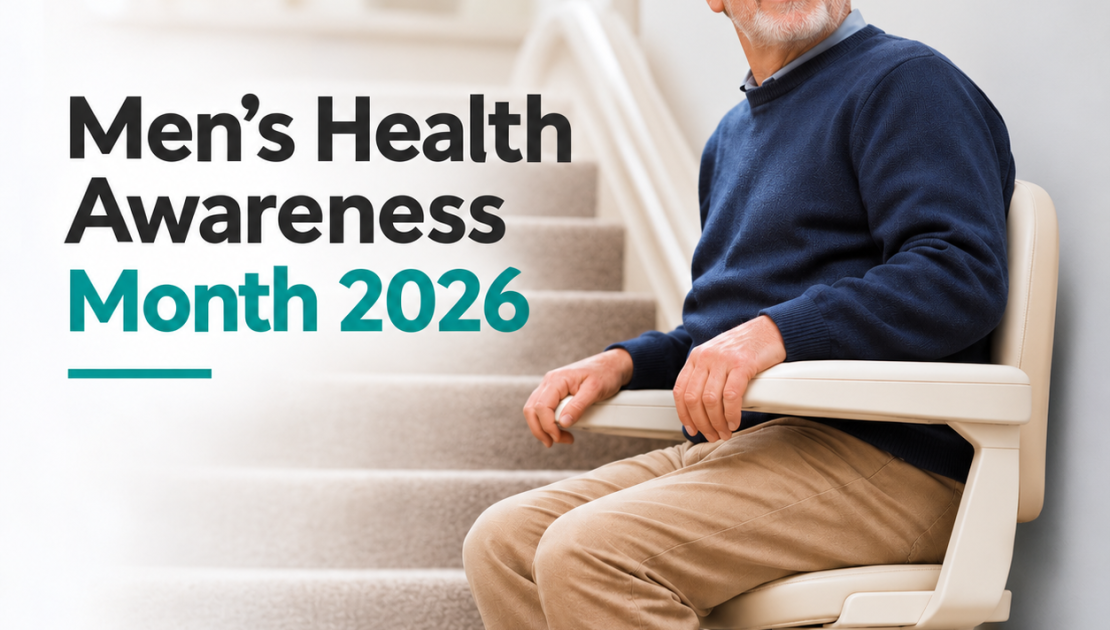
November is Men’s Health Awareness Month (widely recognised as Movember), a month dedicated to raising awareness and encouraging conversations that don’t always happen often.
From growing a moustache to taking on a fundraising challenge, Movember has become a familiar campaign. But behind the fundraising and facial hair is a serious message: men’s physical and mental health deserve attention, and asking for support should never be something to feel uncomfortable about.
At Taylor-Made Mobility, we believe this conversation also needs to include something closer to home: the impact that our living environment can have on our health, confidence and independence.
For men experiencing reduced mobility, recovering from illness or injury, or living with a long-term health condition, everyday activities can become more difficult. Sometimes, adapting the home can help people maintain their independence and feel more confident in their daily lives.
So, this Movember, we’re looking at the relationship between men’s health, accessible homes and why getting the right support matters.
Why Men’s Health Deserves More Attention
Movember focuses on several important areas of men’s health, including:
- Mental health and suicide prevention: Encouraging men to talk about how they’re feeling, build stronger support networks and seek help when they need it.
- Prostate cancer: Raising awareness, supporting research and helping men understand the importance of recognising potential symptoms and speaking to their GP.
- Testicular cancer: Improving awareness, encouraging men to understand what’s normal for their bodies and seek medical advice about changes.
These are significant issues, but the wider message is just as important. Men should feel able to talk openly about their health, whether they’re experiencing physical symptoms, struggling with their mental wellbeing or finding everyday life more challenging.

Movember encourages people to start those conversations, challenge outdated attitudes and make looking after their health part of everyday life.
How Can Mobility at Home Affect Physical Health?
Our homes should be places where we feel safe and comfortable. However, when mobility becomes harder, familiar surroundings can present unexpected challenges.
For those experiencing joint pain, reduced strength, balance difficulties or recovering from an operation, everyday activities can require considerably more effort.
The bathroom is a good example. Stepping over a high-sided bath, standing on a slippery surface or getting in and out of a shower can become uncomfortable or difficult. Similarly, navigating stairs can be challenging for people with reduced strength, balance or stamina.
These difficulties can affect more than convenience. People may start avoiding certain activities because they worry about falling, getting hurt or needing assistance.
There are several ways home adaptations can help:
- Walk-in showers: Remove the need to climb over a bath, making showering more accessible.
- Accessible bathrooms: Features like grab rails, level-access showers and supportive seating can make personal care easier and safer.
- Stairlifts: Provide an alternative to climbing stairs for people who find this difficult.
- Home lifts: Offer another way to move between floors without relying on stairs.
The right adaptations depend on the individual, their mobility needs and their home. They aren’t a replacement for medical advice or treatment, but they can help remove practical barriers and make everyday activities more manageable.
The Connection Between Mobility and Mental Wellbeing
Physical health and mental health are closely connected. When someone starts losing confidence in their ability to carry out everyday tasks, it can affect how they feel about themselves and their independence.
For some men, needing help with activities they previously managed without thinking can be particularly difficult to accept. They may worry about becoming a burden to family members or feel frustrated that their circumstances have changed.
Over time, avoiding activities around the home can also mean missing out on social opportunities, spending less time with family or becoming more isolated. This is why creating a home that supports independence matters.
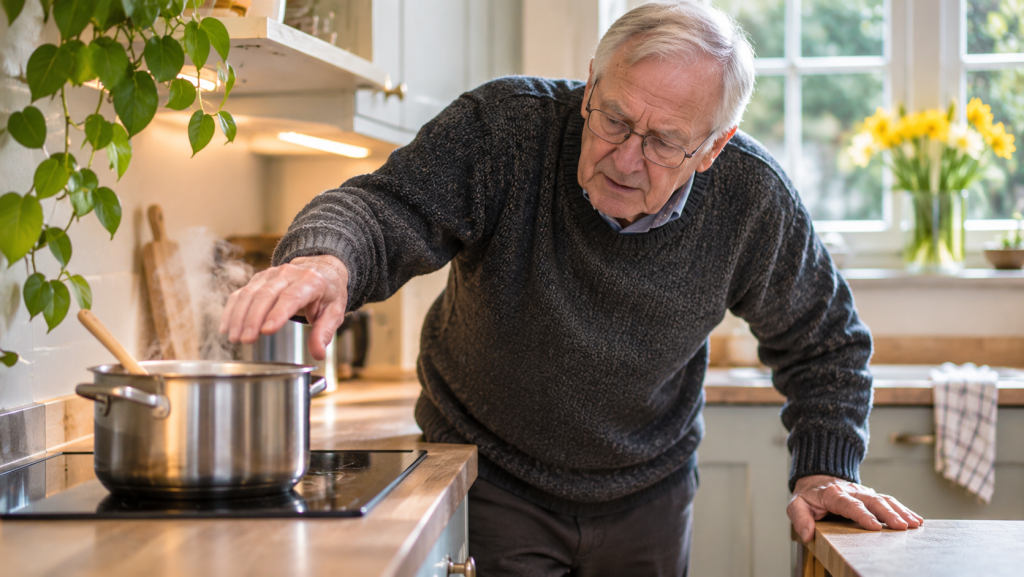
Of course, home adaptations aren’t a treatment for mental health conditions. They won’t resolve every challenge someone might be experiencing, but making the home environment more accessible can be one practical step towards supporting someone’s overall wellbeing.
It’s equally important to remember that asking for help is nothing to be embarrassed about. Whether that’s speaking to a GP, contacting a mental health organisation or discussing changes that could make life easier at home, support is available.
Movember: How You Can Get Involved
Movember is about much more than growing a moustache. It’s a global movement encouraging people to take action, raise money and get conversations about men’s health started.
There are several ways to get involved, and you don’t have to be a man to take part.
- Grow a Mo: Start November clean-shaven and grow a moustache throughout the month. Use it to get people talking and raise sponsorship.
- Move for Movember: Walk or run 60km over the month, representing the 60 men lost to suicide globally every hour.
- Host a Mo-ment: Organise a fundraising event, get together with friends or colleagues, or arrange a workplace challenge.
- Mo Your Own Way: Create your own challenge, whether that’s cycling, swimming, climbing or taking on something completely different.
- Donate or fundraise: Support someone else’s challenge or set up your own fundraising page.
Movember is the charity behind the campaign, working to improve men’s health through its focus on mental health and suicide prevention, prostate cancer and testicular cancer.
You can find all the official information, register for the campaign, set up a fundraising page and explore fundraising ideas on the Movember UK website
Movember also offers useful resources for people who want to become more confident talking about mental health. Its mental health resources include information about supporting men who might be struggling, building stronger social connections and recognising when someone needs help.
You don’t have to organise a big event or raise hundreds of pounds to make a difference. Checking in with a friend, starting a conversation or encouraging someone to seek support can be just as important.
Making Your Home Work for You
At Taylor-Made Mobility, we understand that everyone’s circumstances are different. No single solution works for everyone, and the right adaptations should reflect the needs of the person using them.
Sometimes, a relatively small change can make a noticeable difference. In other situations, a more substantial bathroom or home adaptation may be needed.
Our team works with people to explore practical ways to make their homes safer, more accessible and easier to navigate, offering bespoke solutions designed around individuals.
If you or someone close to you is finding everyday activities more difficult, it’s worth exploring what’s available. You don’t have to wait until mobility becomes severely restricted before considering changes.
This Movember, let’s make more time for conversations about men’s health, independence and wellbeing. Check in with the men in your life, encourage them to look after their health and don’t be afraid to ask for support!
Contact Taylor-Made Mobility today!
If you’d like to discuss how home adaptations could help you or someone you care about, get in touch with Taylor-Made Mobility.
To learn more about the services we offer and our expertise, check out some of the previous projects we’ve worked on. Or see our blog page, which is full of useful information about accessible home adaptations.