
Preparing Your Home for Winter: A Guide to Safety and Independence

As temperatures drop and the days get shorter, preparing your home for winter can help you stay comfortable, safe and independent.
For older people and those living with a disability or reduced mobility, colder weather can bring additional challenges. Slippery paths, darker hallways and cold rooms can make everyday activities more difficult.
Whether you’re preparing your own home or helping an older parent or disabled loved one, a few practical changes can make a real difference. Here are our top tips for preparing your home for winter, from simple safety checks to accessible home adaptations.
6 Top Tips To Get Your Home Winter-Ready
1. Keep Your Home Warm
Staying warm is particularly important for older people and those more vulnerable to the cold. Before winter arrives, check that your heating is working properly and arrange an annual boiler service with a qualified professional.
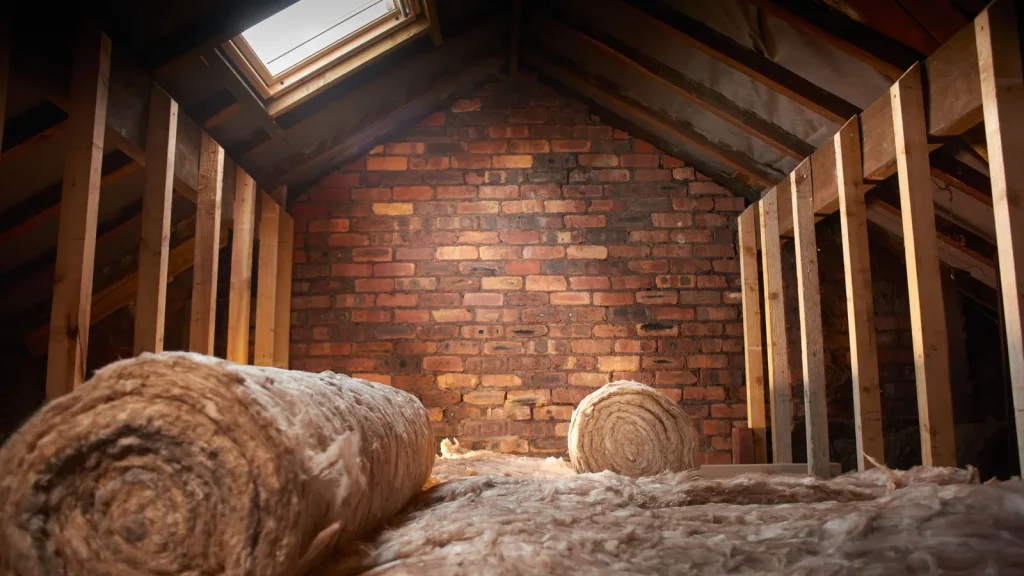
You can also help retain heat by:
- Checking loft and wall insulation.
- Using suitable draught excluders around doors and windows.
- Closing curtains in the evening.
- Keeping furniture away from radiators.
- Insulating exposed pipes to help prevent freezing.
Make sure draught excluders and other additions don’t obstruct doorways or create trip hazards for anyone using a wheelchair or walking aid.
Aim to keep regularly used rooms comfortably warm. Around 18°C is a useful guideline for rooms you use regularly, although individual needs vary. If heating costs are a concern, Age UK can offer advice on staying warm and accessing available support.
2. Improve Lighting and Prevent Falls
Poor lighting, loose rugs and cluttered walkways can increase the risk of trips and falls, particularly during darker winter months.
Check that hallways, stairs, landings and entrances are well lit, and replace any faulty bulbs. Motion-sensor lighting and night lights between the bedroom and bathroom can make moving around after dark easier.
It’s also worth checking for potential hazards:
- Remove loose rugs or secure them appropriately.
- Keep electrical cables out of walkways.
- Repair loose carpets and uneven flooring.
- Keep pathways clear for walking frames and wheelchairs.
- Ensure entrance mats lie flat and don’t slide.
Store frequently used items within easy reach to avoid unnecessary bending, stretching or climbing on step stools.
3. Make Your Bathroom Safer
Cold surfaces, wet floors and high bath sides can make bathing difficult for people with reduced balance, strength or mobility.
If you or a loved one is finding it harder to get in and out of the bath or shower, consider whether an accessible bathroom adaptation could help.
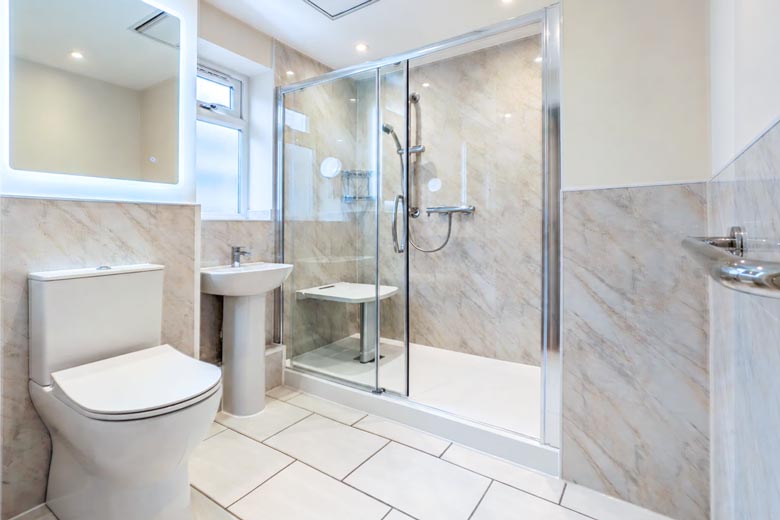
Depending on individual needs and the layout of the room, options include:
- Walk-in showers: Reduce the need to step over a traditional bath side.
- Level-access wet rooms: Provide a flush showering area that may be more suitable for wheelchair users.
- Shower seats: Allow you to sit while washing, helping reduce fatigue.
- Grab rails: Provide additional support when correctly positioned and installed.
- Slip-resistant flooring: Helps improve grip in wet areas.
Keep toiletries and towels within easy reach, and make sure bathroom heating and ventilation work properly.
Taylor Made Mobility offers accessible bathroom adaptations designed around individual needs. Planning gives you time to explore the options and find a solution that supports comfort, privacy and independence.
4. Check Your Stairs and Entrance
Stairs can become increasingly challenging if mobility, balance or strength changes. If you or a loved one is avoiding the upstairs bathroom or bedroom, it may be time to consider whether an adaptation could help.
A stairlift can help someone who can safely transfer onto its seat travel between floors without climbing the stairs. A through-floor home lift may be better for some wheelchair users who need to remain in their wheelchair.
If larger adaptations aren’t necessary, check that handrails are secure, stair carpets are firmly fitted and landings are free from clutter.
Outdoor access also deserves attention. Rain, fallen leaves, frost and ice can make paths and driveways slippery. Clear debris, arrange repairs to uneven paving and ensure entrance lighting is bright enough.
If steps make entering or leaving your home hard, a suitably designed ramp or additional handrails may help. Any ramp should be appropriate for the available space and the user’s needs, so professional advice is recommended.
5. Prepare for Bad Weather and Power Cuts
Winter weather can disrupt deliveries, care visits and everyday routines. Keeping essential supplies at home can help you manage unexpected delays.

Consider keeping the following easily accessible:
- Regular medicines and prescription information.
- Non-perishable food and drinking water.
- A charged mobile phone and power bank.
- A torch and spare batteries.
- Warm clothing and blankets.
- Contact details for family, carers and healthcare professionals.
If you rely on powered equipment, such as a wheelchair or home lift, check the manufacturer’s guidance on what to do during a power cut.
It’s also a good time to check your smoke alarms and carbon monoxide alarms where appropriate. Follow the safety instructions for heaters and electrical equipment, keeping them away from curtains, bedding and other flammable materials.
6. Plan For The Future
Some winter preparations take only a few minutes, while others require more planning. If everyday activities are becoming difficult, consider whether longer-term home adaptations could help.
A walk-in shower may make bathing easier, a stairlift could improve access between floors, or entrance adaptations might help you leave home more comfortably.
The right solution depends on your mobility, preferences and property. It’s important to involve the person who will use the adaptation in decisions about what would work best.
At Taylor Made Mobility, we offer accessible bathrooms, stairlifts, home lifts and other adaptations designed to make everyday living easier. Exploring your options early can give you more time to make an informed decision before a problem becomes urgent.
Your Winter Home Safety Checklist
Use this quick checklist to prepare your home for colder weather:
- Check your heating, insulation and exposed pipes.
- Improve lighting and remove trip hazards.
- Check bathroom access and support features.
- Inspect stairs, handrails and entrance routes.
- Clear outdoor paths and address slippery surfaces.
- Keep essential supplies and contact numbers accessible.
- Check household safety alarms.
- Consider adaptations that could make daily routines easier.
You don’t need to tackle everything at once. Start with the changes that will make the biggest difference to your comfort and safety.
Prepare for Winter with Taylor Made Mobility
A few simple adjustments can help make your home safer and more comfortable throughout winter. Where everyday activities have become more difficult, carefully chosen adaptations can also support your independence in the longer term.
Whether you’re planning for yourself or helping someone you love, Taylor Made Mobility can help you explore ways to make your home more accessible.
Contact Taylor Made Mobility to discuss your needs and find out more about our accessible bathrooms and home adaptations.